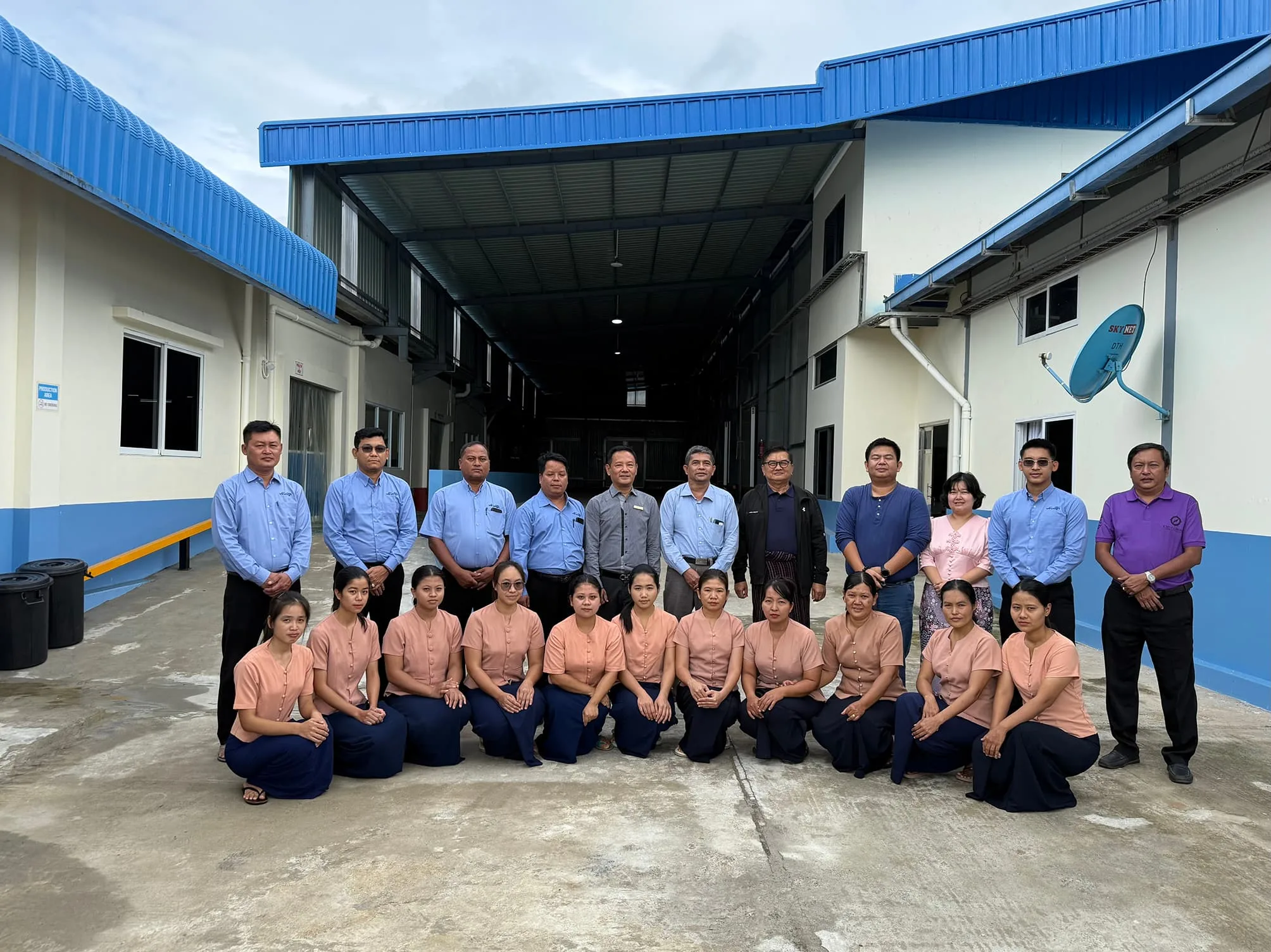
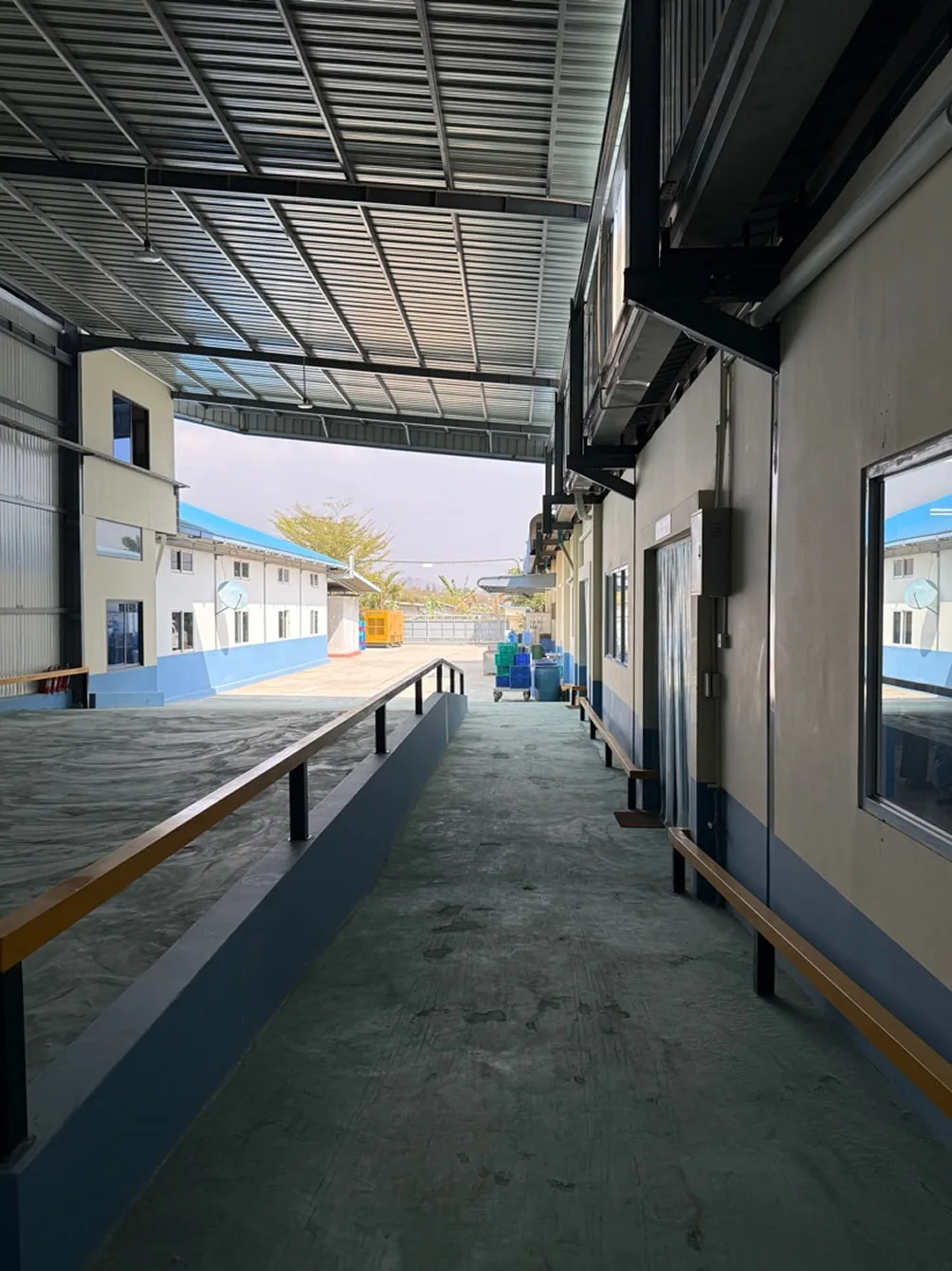
Pin Lal Pyar is one of the leading frozen food brands in Myanmar. Since our founding in 1990, we have grown from a small factory in Mandalay into a nationwide name trusted for taste, quality, and convenience. Our very first products — Pin Lal Pyar Frozen Fish Balls, Fish Head Soup, and Spring Rolls — introduced Myanmar households to Pin Lal Pyar. With the trust and support of our customers, we expanded production and built sophisticated manufacturing units and distribution networks, allowing us to deliver safe and delicious foods across the country.
Today, we operate three major facilities:
1.
Mandalay (Head Office & Production Hub) – Produces a variety of frozen foods including gravies, spring rolls, and fish balls.
2.
Yangon (Hlaing Tharyar) – Acts as a collection center for raw materials, supporting nationwide production.
3.
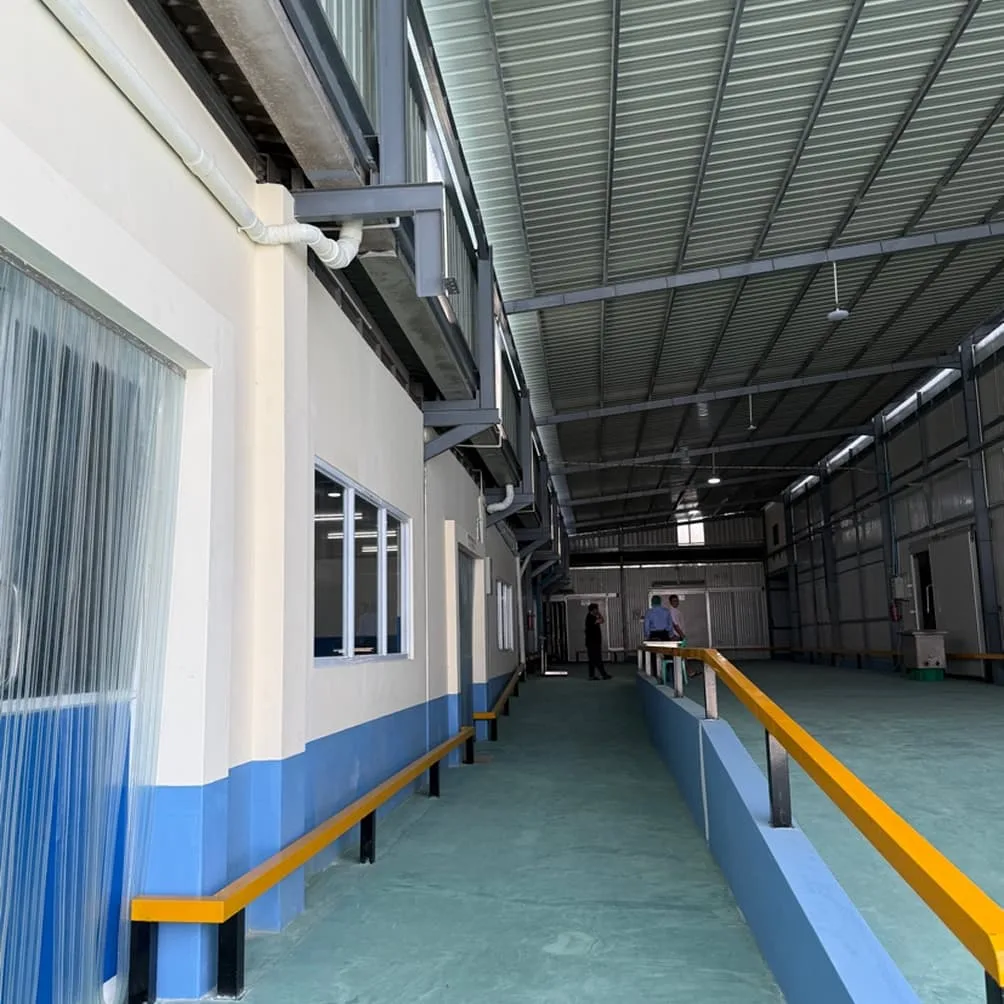
Heho (Southern Shan State) – Specializes in producing premium frozen fruits and vegetables, supplying both the domestic and export markets.
We now proudly operate our own branded stores nationwide, making Pin Lal Pyar a household name across Myanmar.
To provide the high quality frozen foods to all of our consumers and to promote Myanmar's agricultural merchandise not only in nearby markets but additionally to the world with the aid of giving Myanmar's farmers opportunities and understanding to standardize their business lives. To be a leading frozen foods manufacturer in Myanmar.
To excel in what we are doing, to make first-class products for our customers, to build a straightforward relationship with each of our customers and suppliers. And to ensure a better future for our employees.
Producing high-quality and time-saving ready-to-cook and ready-to-use frozen foods that can make your businesses easier and better.
We produce with passion and care, build for the long term, and are inspired to innovate. We always strive to do better, so we can grow and succeed together.
We want to impress our customers, stand out from the competition, and encourage them to pay attention in our local marketplace.
We take great care in delivering our items to consumers and producing them with passion. And honestly sell them. To preserve our value, artificial items and substances are not allowed in our production.
Our products are easy to utilize. We always bring to market less time-consuming products. Additionally, each product has its own intended market niches and the price is reasonable.
We always give our consumers and suppliers our undivided attention. We want to build a solid, long-lasting relationship with them. Once we introduced our products to them, they all are our potential customers. We are always giving opportunities and support to our suppliers.
We value who we are. Our workers are valued by us. While they are working with us, we constantly improve the quality and comfort of their life.
At Pin Lal Pyar, we are committed not only to producing high-quality frozen foods but also to using advanced technologies that ensure freshness, safety, and international standards. Over the years, our investments in modern food processing and storage systems have helped us become one of the leaders in Myanmar’s frozen food industry.
1. I.Q.F. (Blast Freezing Technology)
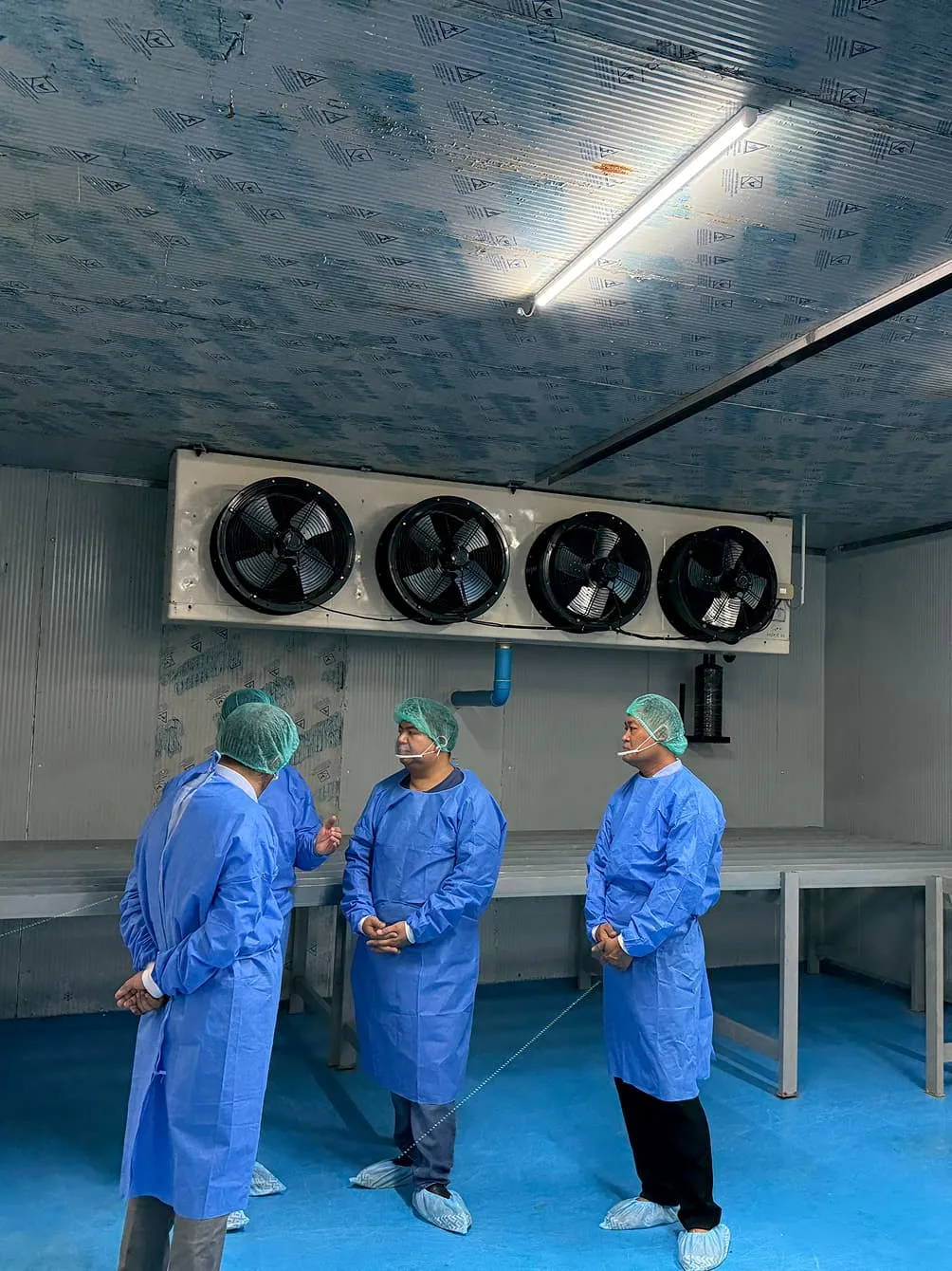
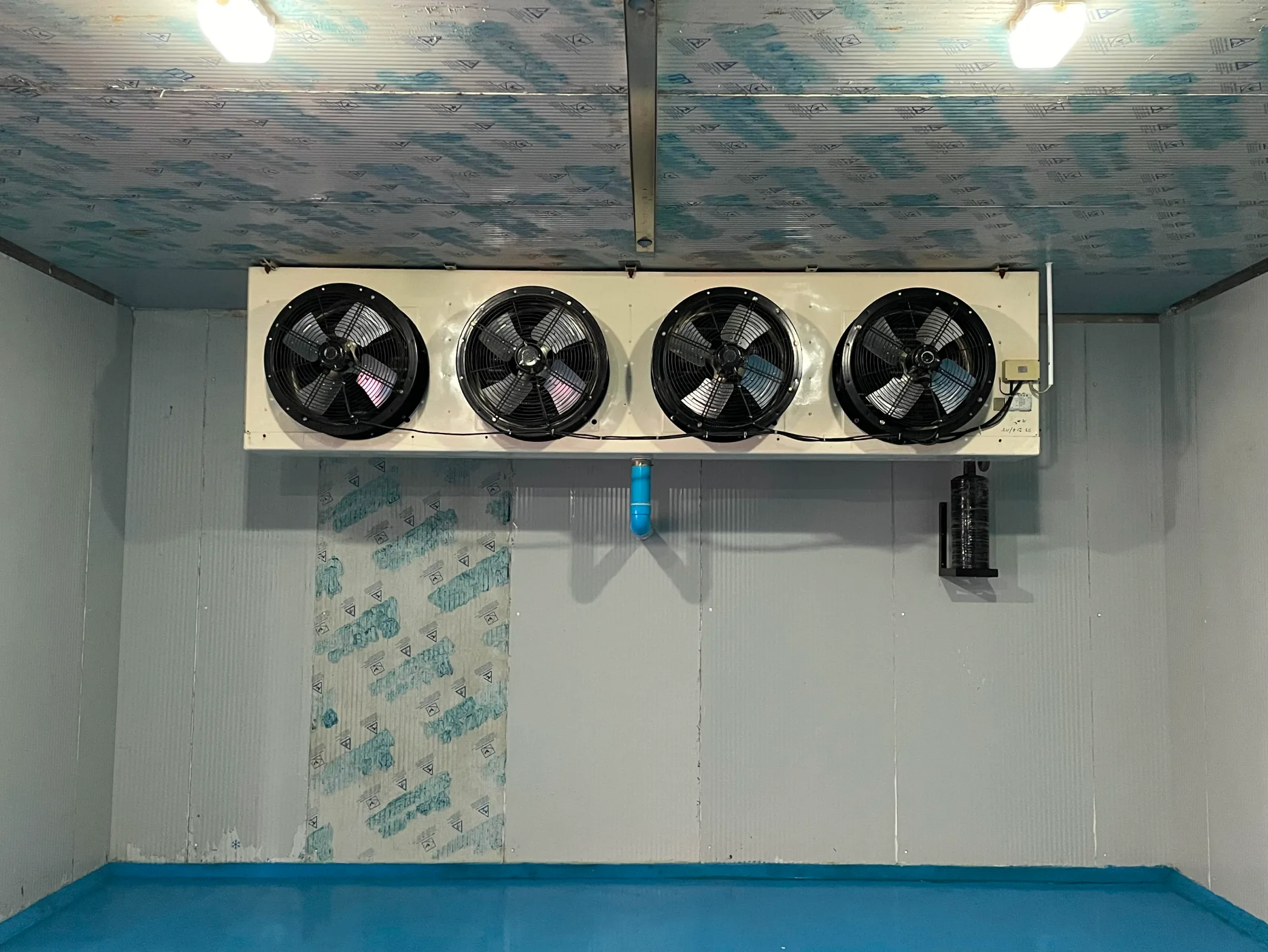
We use advanced Individual Quick Freezing (I.Q.F.) technology to preserve our products at peak freshness. With freezing temperatures reaching as low as -30°C, products are first placed in a pre-cooling room to shorten freezing time before entering the I.Q.F. blast freezing chamber. This ensures that the natural taste, texture, and nutrients are locked in.
2. Large-Scale Cold Storage Facilities
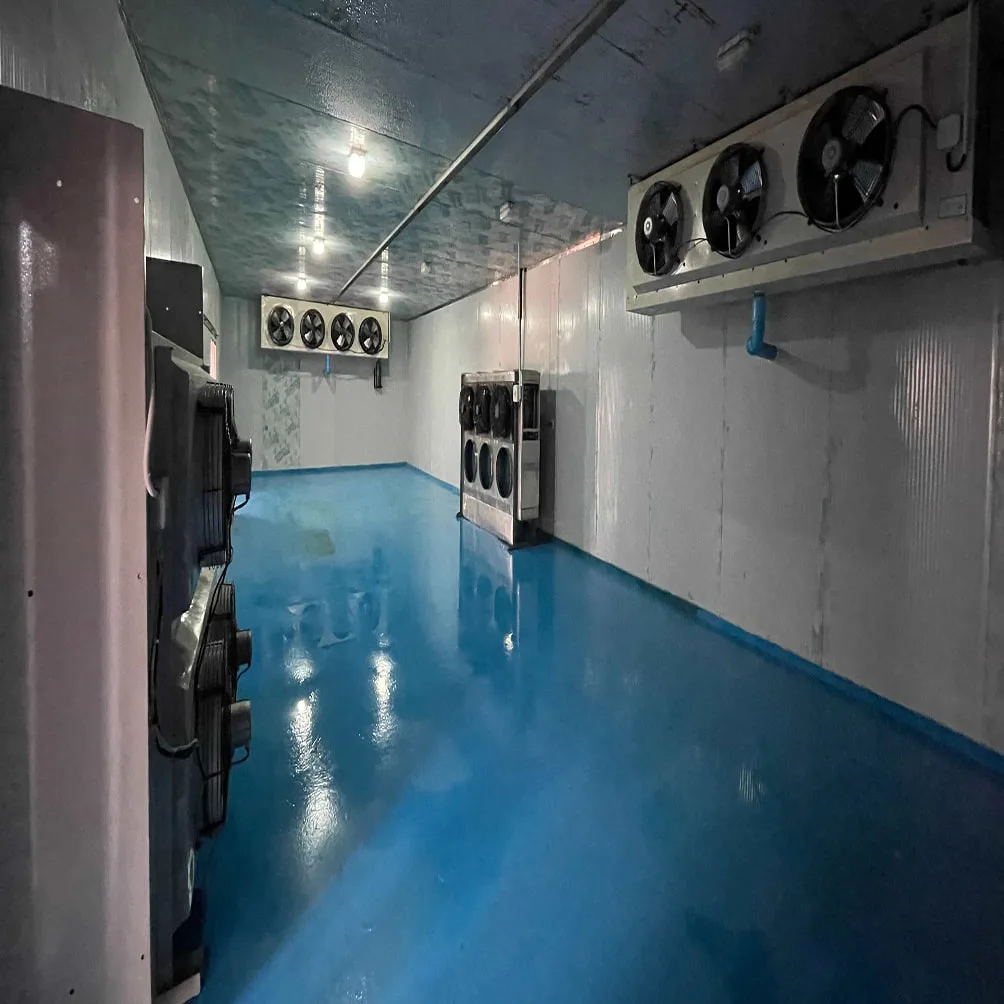
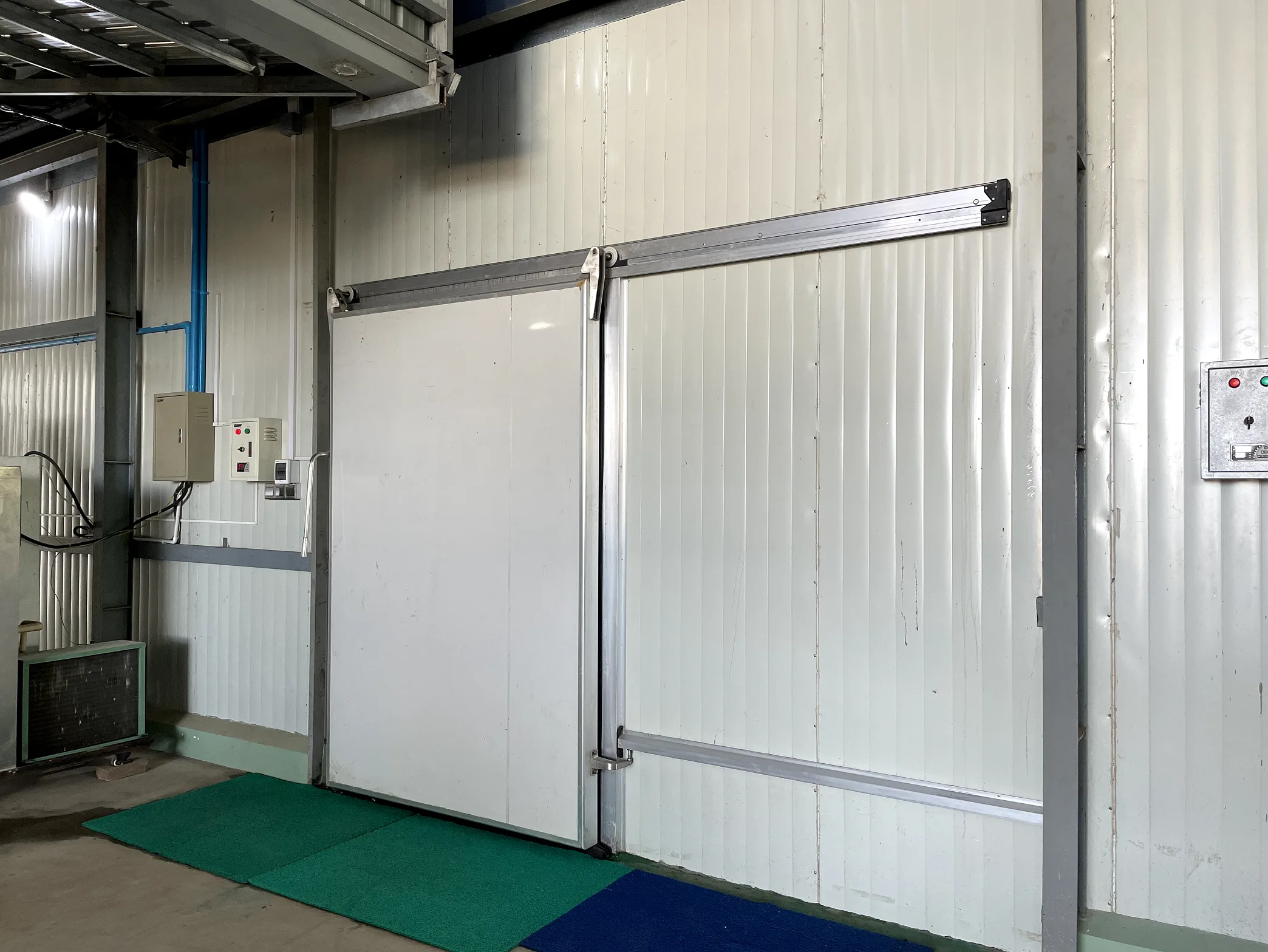
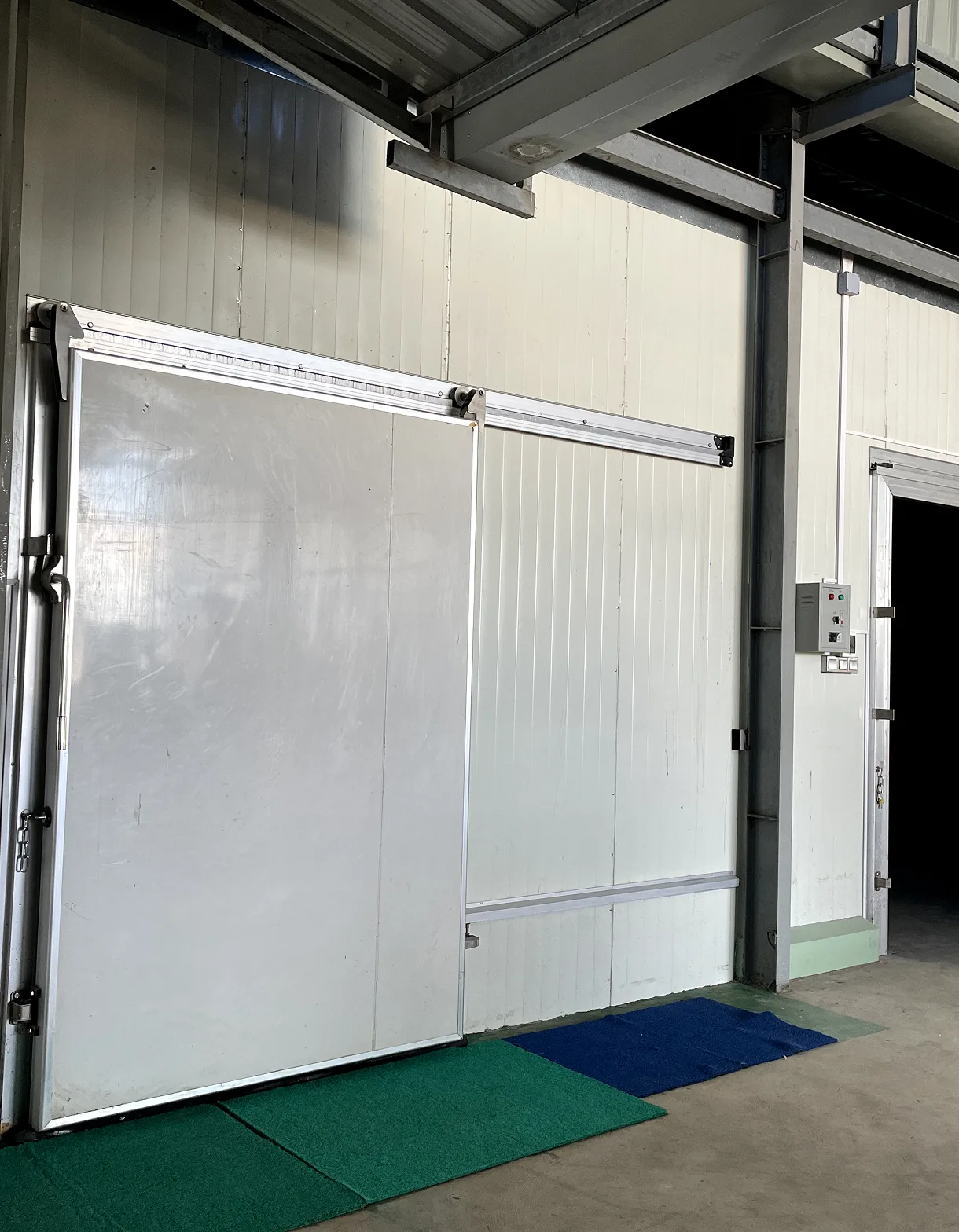
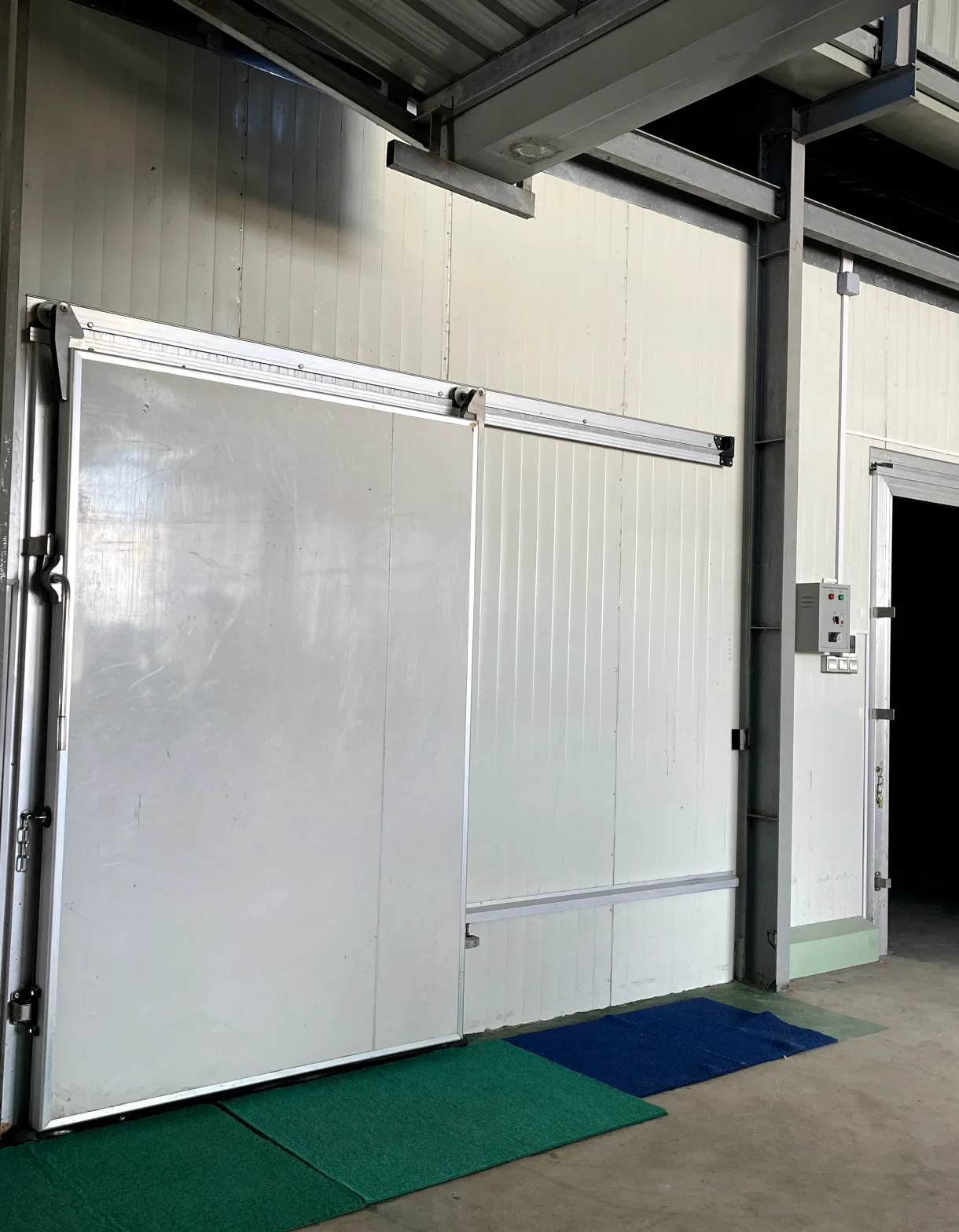
Our facilities are equipped with large cold storage rooms that operate 24 hours a day at a consistent -25°C. Together, our combined storage capacity can hold nearly 700 tons of products annually across all sites, guaranteeing reliable supply and long-term product stability.
3. Cold-Chain Distribution System
We maintain strict cold-chain logistics to protect products from heat and contamination. From farm to freezer and all the way to our customers, products are transported in refrigerated trucks. This includes both raw material collection and final product distribution, ensuring compliance with ISO guidelines and preserving top quality every step of the way.
4. International Certification
Our commitment to food safety and excellence is recognized by achieving the ISO 22000:2018 Food Safety Management System certification, alongside annual FDA certification and HACCP principles. These achievements demonstrate our dedication to global standards and continuous improvement.
Finally, It is our people’s hard work, their commitment and their talent that have made our company what it is today.
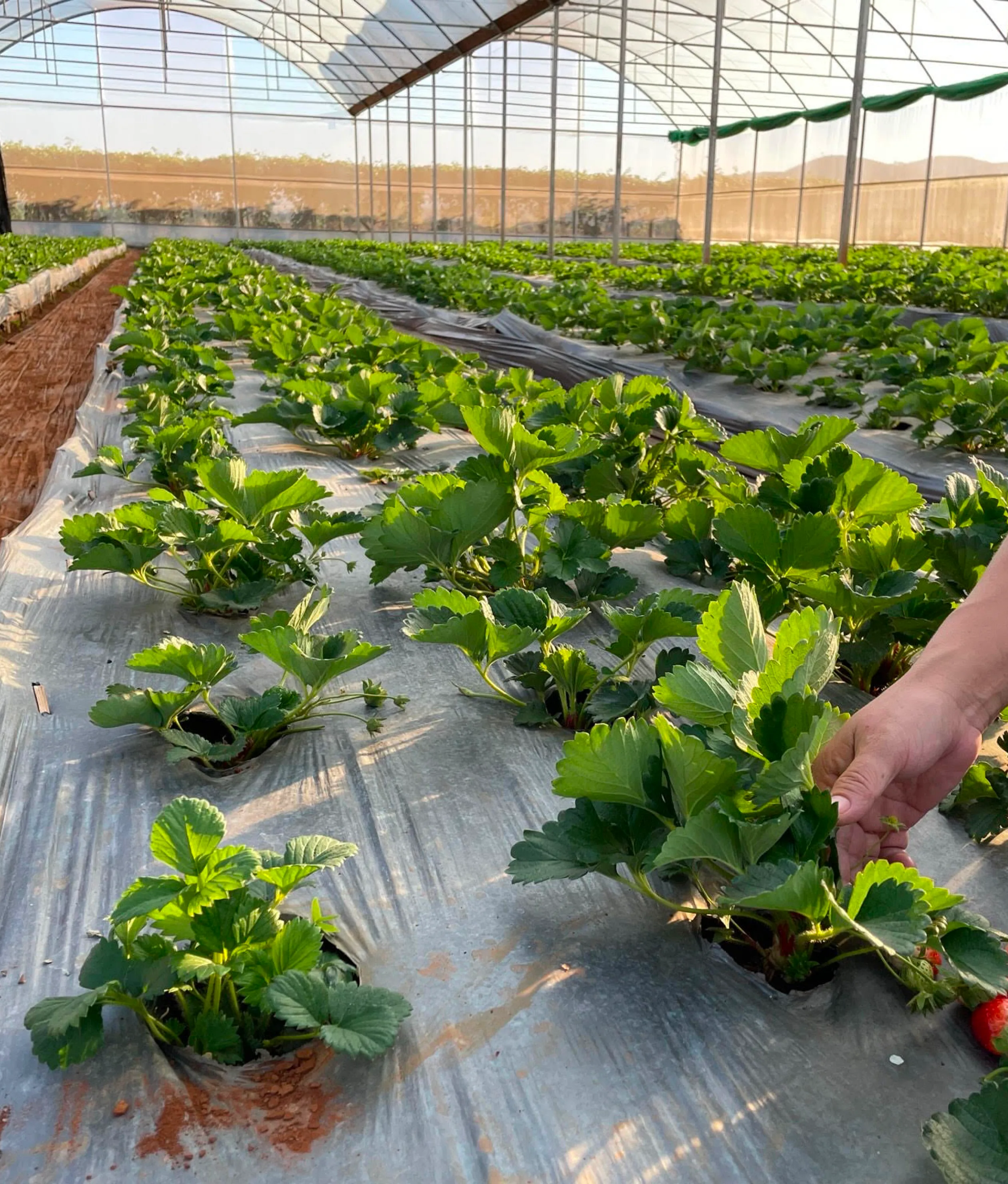
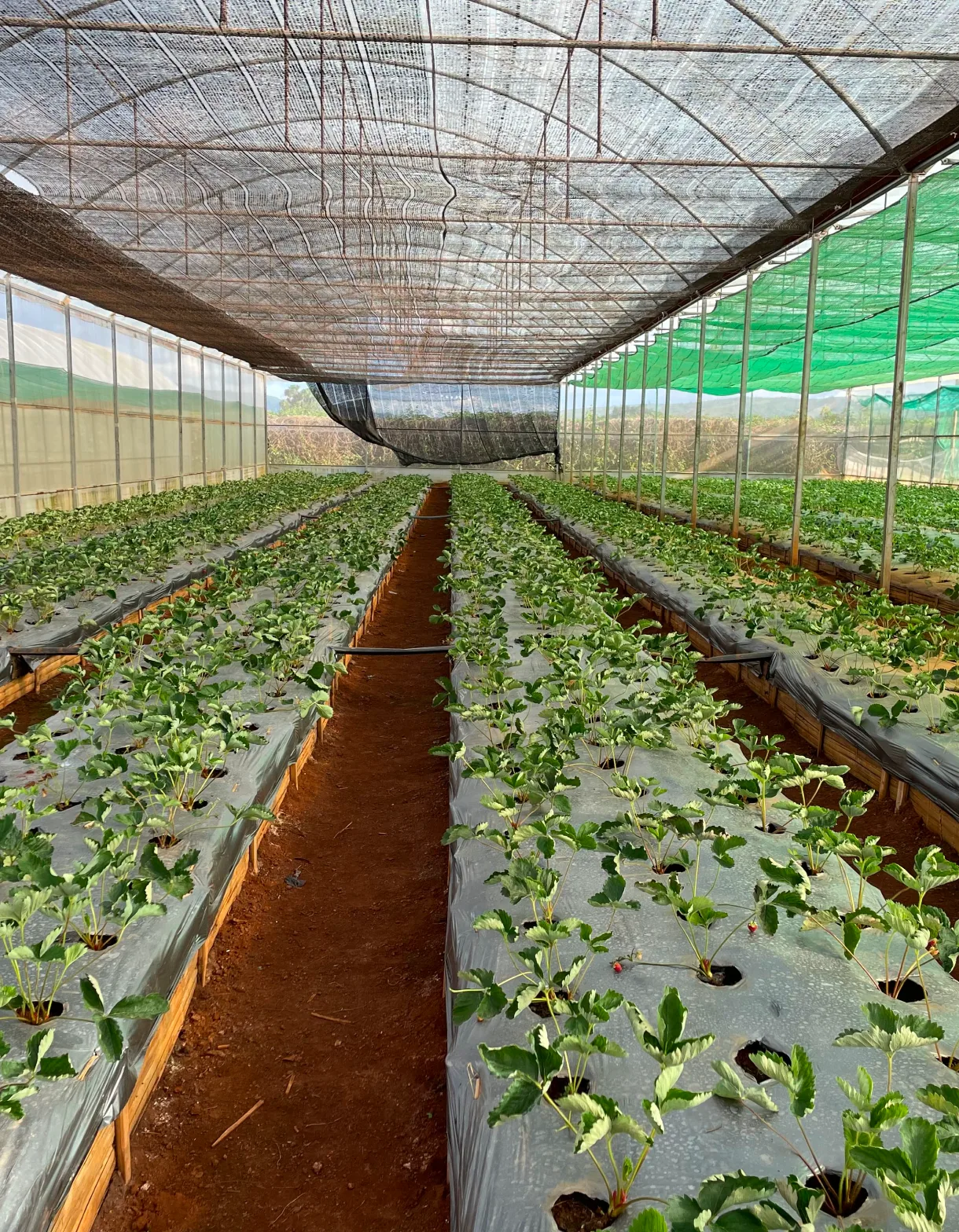
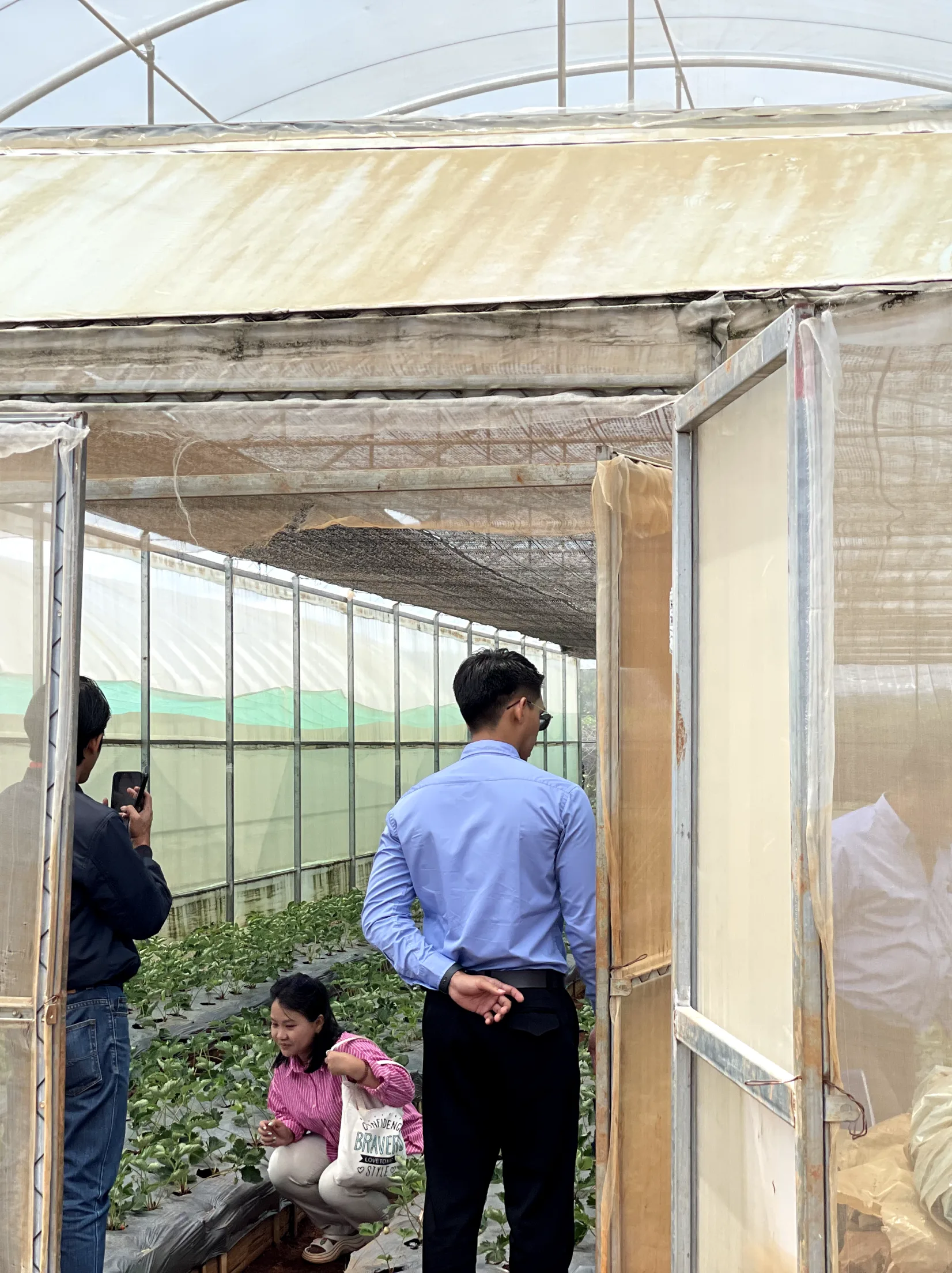
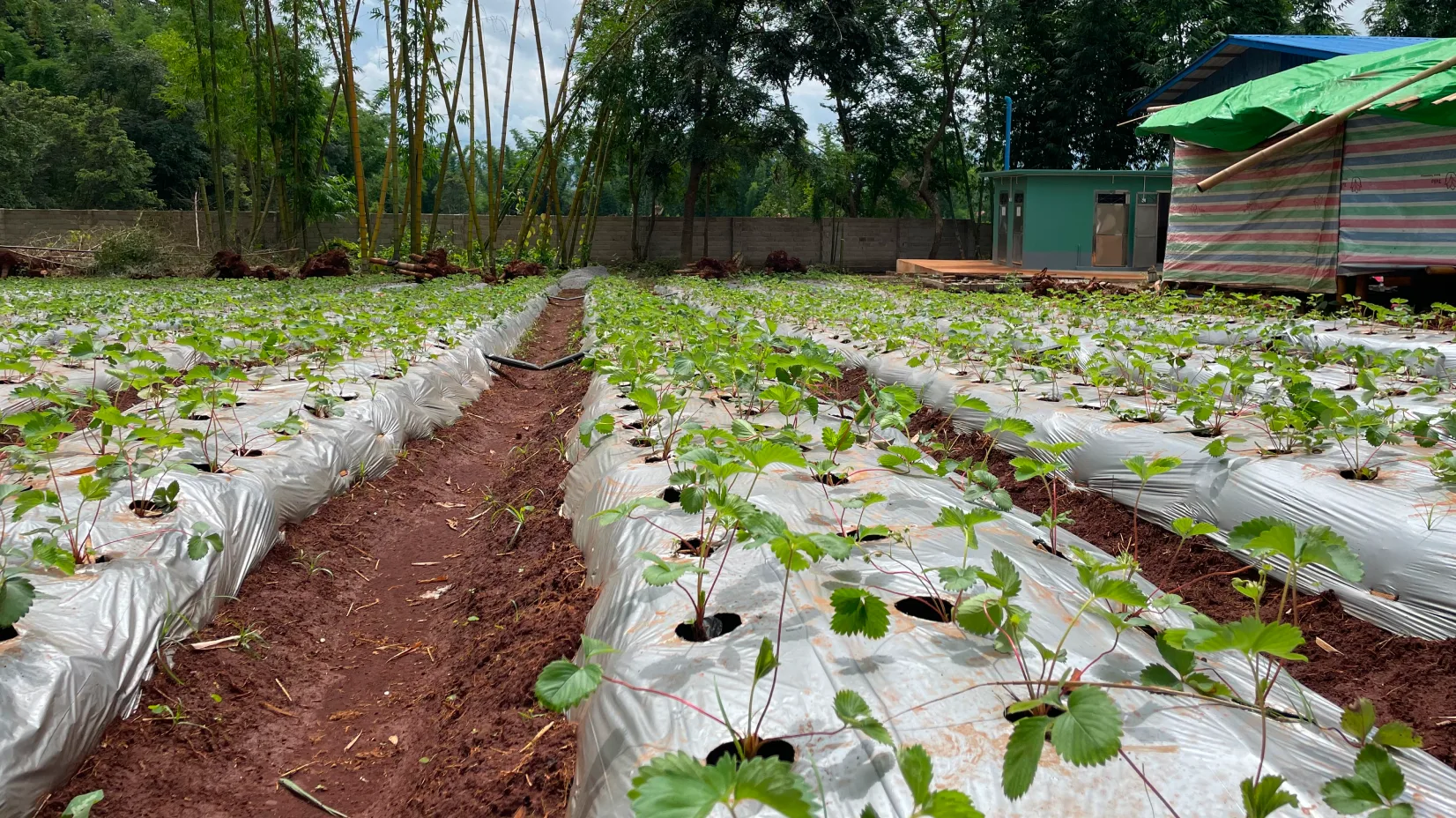
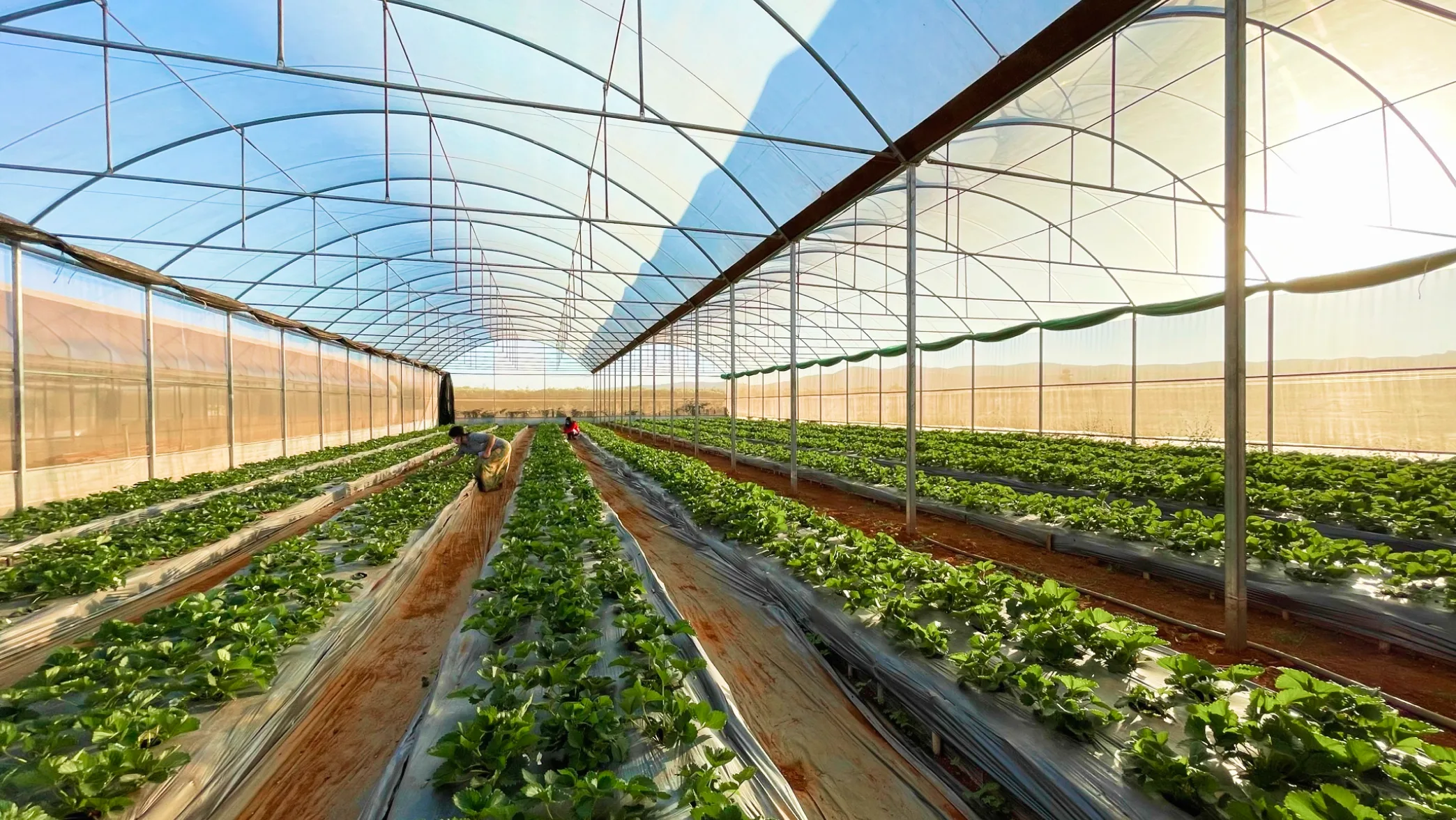
In the fertile highlands of Heho, our frozen-strawberry journey begins with care and dedication. From January through March, we cultivate and harvest premium Japanese strawberry varieties, grown for their exceptional sweetness and vibrant color.
To lock in peak freshness, the berries travel from field to processing plant in a strictly temperature-controlled cold chain before undergoing quick freezing. This careful handling preserves each berry’s natural flavor, brilliant color, and valuable nutrients.
Each season, we also support local farmers by providing young strawberry plants free of charge along with expert guidance. Farmers who follow our growing standards sell their harvest back to us at the end of the season—ensuring consistent quality across every batch while helping the community thrive.
We warmly invite you to visit Heho and experience the taste and quality of our strawberries firsthand.
frozen fruits, ready-to-cook products (soups, spring rolls, meats) for consumers.
frozen vegetables and fruits, ready-to-cook products for use in restaurants, hospitals and tea shops.
ingredients for the food industry.
Over recent years, frozen food’s popularity among consumers has turned out to be more and more advantageous as they study more about the environmental and fitness benefits. However, one key question is still frequently asked…
Freezing does not make foods unhealthy. It relies upon the nutritional content of the food that is frozen. Freezing is the most natural way of preserving food, so frozen foods do not rely on unhealthy artificial preservatives that non-frozen foods regularly need to maintain shelf-stable. Generally, frozen foods retain their vitamins and minerals and there is no change to the carbohydrate, protein or fat content. In some cases, frozen foods have more vitamins and minerals compared to fresh because fresh foods lose vitamins and minerals over time while freezing preserves nutrients. Many of Pin Lal Pyar’s products are free from such artificial preservatives, as well as artificial colorants and flavorings.
The primary benefit of Pin Lal Pyar's Frozen Fruits is its year-round availability due to their constant preservation and temperature control. Every year, we gather an enormous amount of strawberries, passion fruits, avocados, pineapples and mangoes from different areas throughout Myanmar.
From the moment our strawberries are picked until they reach your
table, every stage of production is carefully controlled to preserve
their natural flavor, color, and nutrients.
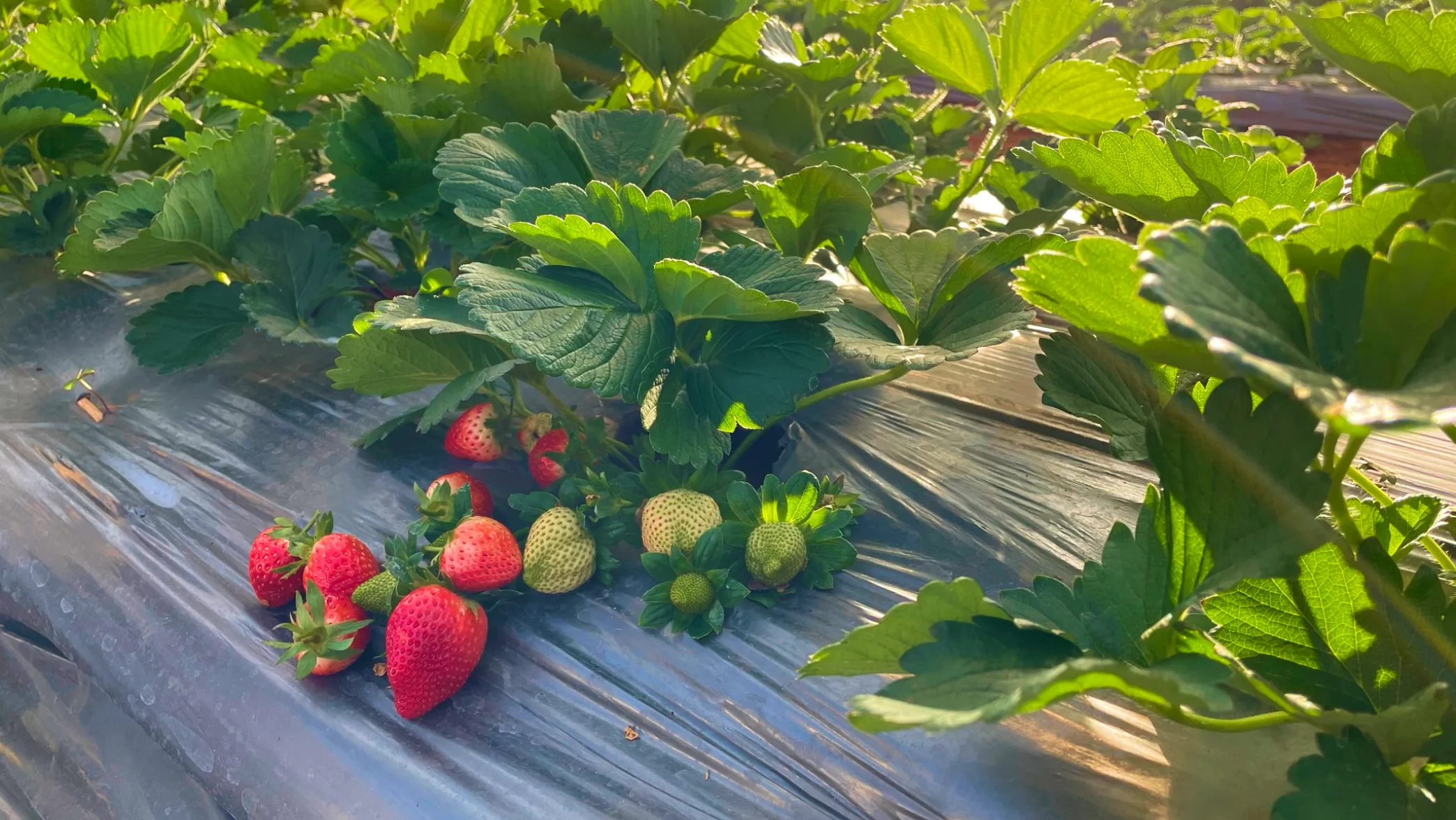
Step 1 – Harvest: Between January and March, ripe Japanese-variety strawberries
are hand-picked in the cool highlands of Heho and gently placed in food-grade
crates to avoid damage.
Step 2 – Chilled Transport: The fruit is quickly moved to our processing
plant in 0–4 °C refrigerated vehicles, where every lot is logged for
full traceability.
Step 3 – Washing & Sanitizing: Immediately on arrival, the berries are
carefully washed in a two-stage rinse and given a final food-grade sanitizing
rinse, then excess water is drained.
Step 4 – Chill Room: After washing, the berries are cooled in a dedicated
chill room, which is designed to prevent heat from outside and protect
the fruit from spoilage.
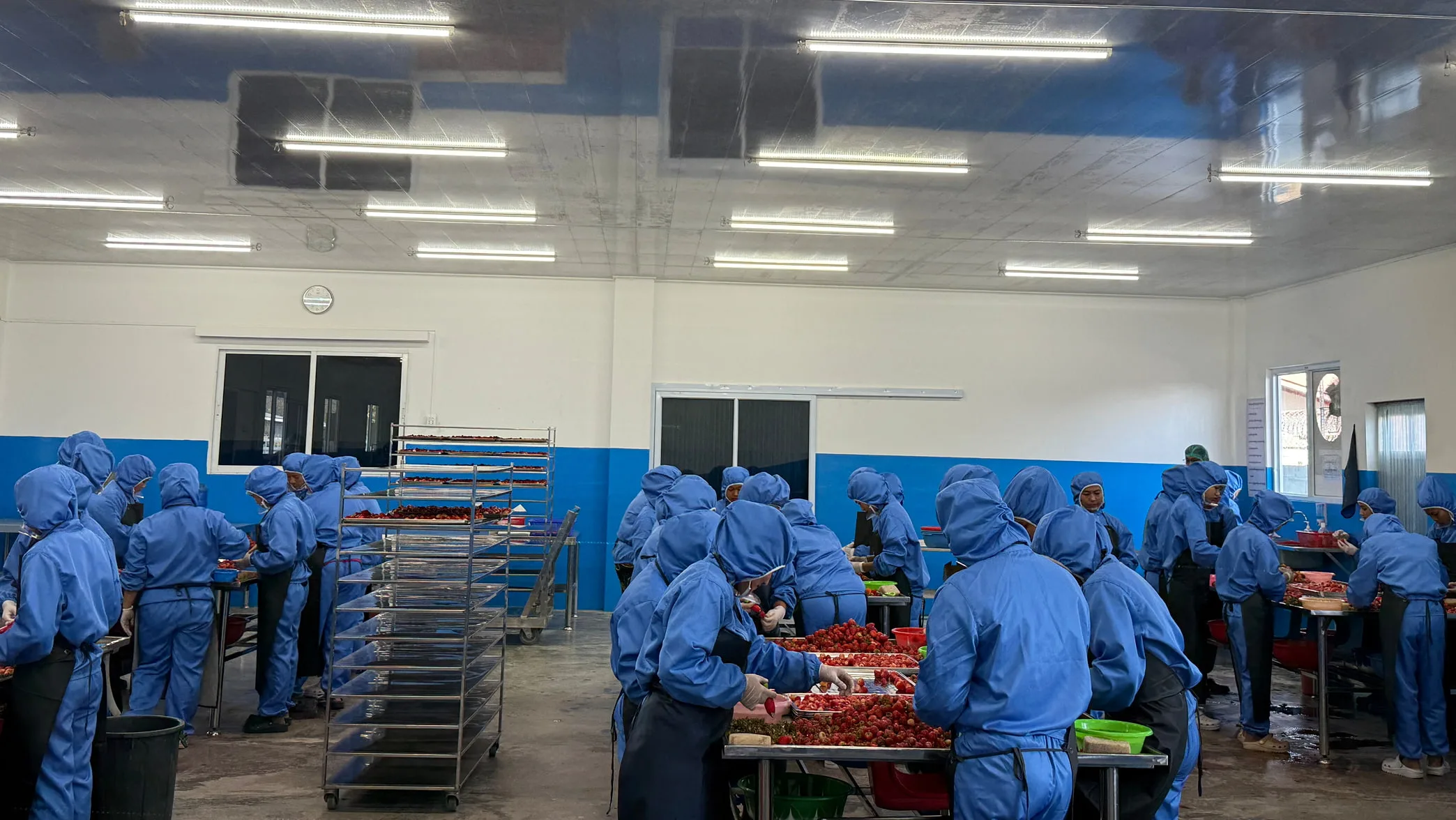
Step 5 – Sorting & Grading: Leaves, stems, and any blemished fruit are
removed, and berries are graded by size.
Step 6 – IQF Blast Freezing: The prepared berries enter our Individual
Quick Freezing (IQF) tunnel, where powerful air at about –30 °C freezes
each berry individually until the core temperature reaches –18 °C or
lower, ensuring they remain free-flowing.
Step 7 – Packing: Berries are packed into sealed pouches or bulk cartons,
with batch and date codes clearly printed.
Step 8 – Cold Storage: Finished products are stored in large cold rooms
operating 24/7 at –25 °C, with combined capacity of nearly 800 tons per
year.
Step 9 – Cold-Chain Distribution: Finally, the frozen strawberries are
delivered to our stores and customers in refrigerated (reefer) trucks,
the same system used to collect raw fruit, maintaining consistent quality
and compliance with ISO 22000:2018 and HACCP standards.
Annually, our operations yield more than 100 tons of Frozen Sein Talone Mangoes. These mangoes undergo a meticulous process to ensure quality and freshness. Initially, they are subjected to thorough cleaning and chilling in specialized chill chambers. Subsequently, they undergo precise peeling, slicing, and individual arrangement on the production line. Finally, they are swiftly frozen in blast freezing cold rooms set at -30 degrees Celsius, guaranteeing optimal preservation and extending their shelf life.
The frozen pineapple production follows the same strict steps as our frozen strawberries, with a few key differences. Hundreds of fresh pineapples are collected and purchased every week, brought to our plant without the need for refrigerated trucks and kept in normal room-temperature storage. The fruit is then topped and rinsed in clean water, after which the peeling process begins. From there, the pineapples move through the same sorting, IQF blast freezing, packing, and cold-chain storage that guarantee the freshness, color, and flavor of every piece.